Hyperbaric Oxygen Therapy (HBO)
HBO therapy delivers 100 percent oxygen at increased atmospheric pressure to accelerate healing where oxygen perfusion is compromised.
Watch and Learn More About Hyperbaric Oxygen Therapy
3990 E. US Hwy. 64 Alt./Annex
Murphy, NC 28906
Fax: 828-837-7169
Enter through the back side of
Erlanger Western Carolina Hospital annex,
under the brick portico
Some wounds heal on schedule. Others stall for months or years despite conventional treatment. The Wound Care Center at Erlanger Western Carolina Hospital treats those wounds. Our multidisciplinary team of physicians, nurses and certified wound specialists evaluates your wound, works with your regular doctor and builds a personalized healing program designed to close it.
A chronic wound is a wound that does not heal in orderly stages or within a predictable amount of time. A wound that has shown no meaningful improvement in 30 days, or that has not closed within three months, is considered chronic. Chronic wounds do not resolve on their own. They need specialized evaluation and a treatment plan built around the cause, not just the wound itself.
If you have diabetes and develop any wounds on your foot, seek care immediately. Early treatment of diabetic foot ulcers prevents infection, hospitalization, and amputation.
Call us if you recognize any of the following:
Early intervention changes outcomes. Prompt, expert treatment improves healing rates and prevents complications.
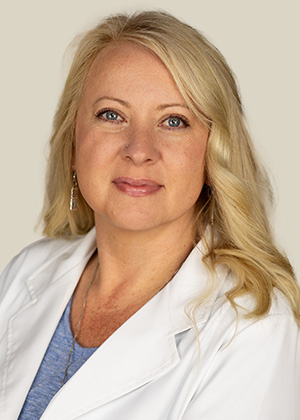
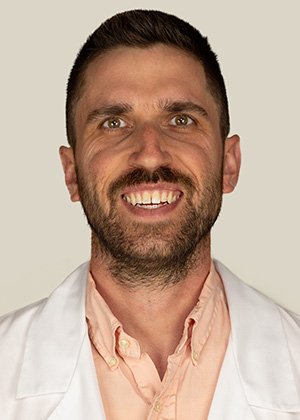
Every treatment plan accounts for your wound type, your overall health and your daily life. We monitor progress at each visit and adjust the plan as your wound responds
HBO therapy delivers 100 percent oxygen at increased atmospheric pressure to accelerate healing where oxygen perfusion is compromised.
Watch and Learn More About Hyperbaric Oxygen TherapyA minor procedure that removes dead tissue, prevents infection, and creates a healthy base for new tissue to regenerate.
Also called wound vac therapy. Controlled suction draws fluid away from the wound and promotes granulation tissue formation.
Living-cell tissue products and synthetic skin substitutes stimulate your body's own healing response. These are particularly effective for diabetic and venous ulcers that have stalled in standard care.
Specialized compression dressings decrease swelling and support circulation. Pressure relief through custom orthopedic shoes, splints, total contact casting, crutches, walkers or wheelchairs takes weight off the wound so it can close.
Clinicians who treat chronic and complex wounds every day, not occasionally.
Healogics healing protocols built on more than 30 years of national wound care experience.
Imaging, laboratory services, and emergency care are on site if your wound needs them.
Patients in Cherokee, Clay, and Graham counties in the tri-state mountains of western North Carolina, north Georgia, and eastern Tennessee avoid long drives to Asheville or Atlanta for specialty wound treatment.
Living-cell tissue products and synthetic skin substitutes stimulate your body's own healing response. These are particularly effective for diabetic and venous ulcers that have stalled in standard care.
We work alongside your primary care provider, vascular specialist, and home health team.
A referral from your primary care provider or specialist is welcome and often required for insurance. You may also call us directly to request an appointment. We coordinate with your regular doctor throughout your treatment.
Wound care services are typically covered by Medicare, Medicaid, and most commercial insurance plans. Our staff verifies your benefits before your first appointment and reviews any expected costs with you.
Bring your insurance card, photo identification, a list of current medications, and the name and contact information of your primary care provider. If you have been using dressings or supplies at home, bring them or a photo of the packaging.
Yes. We regularly coordinate care with home health agencies, skilled nursing facilities and family caregivers across the region, so the plan continues between visits.
Wound care is most often recommended for:
Yes, hyperbaric oxygen therapy is available at select Healogics-managed centers. Call our Murphy team to schedule at this location in Erlanger Western Carolina Hospital.
Most patients are seen weekly and see measurable progress within the first several weeks of a structured treatment plan. Healing time depends on wound type, circulation, nutrition, and underlying conditions.
3990 E. US 64 Alt
Murphy, NC 28906
Enter through the back side of Erlanger Western Carolina Hospital annex, under the brick portico
Serving Murphy, Andrews, Hayesville, Robbinsville, and surrounding communities in western North Carolina, north Georgia, and eastern Tennessee.