
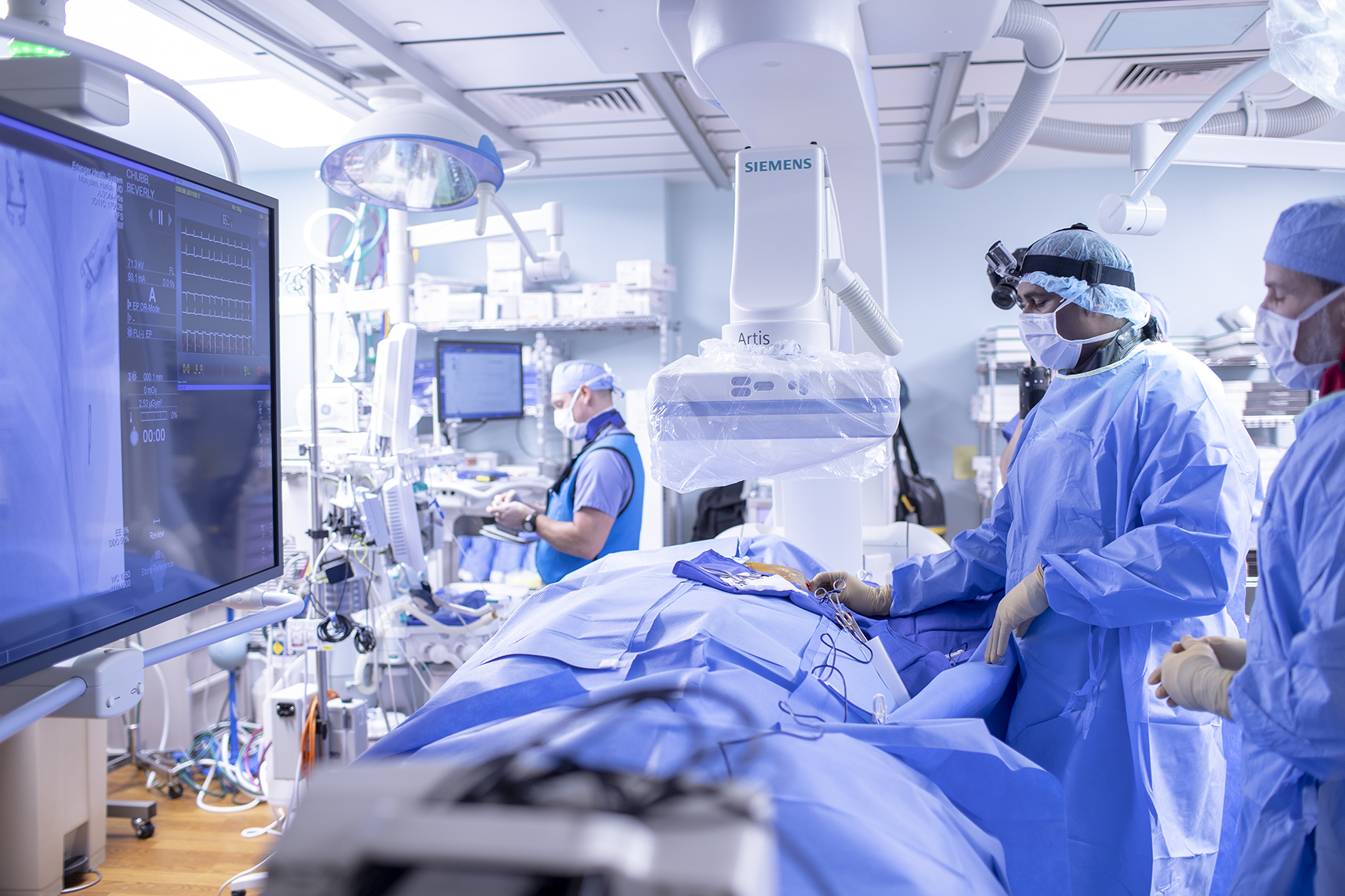
Erlanger Heart & Lung Institute
We offer a full spectrum of specialized cardiology services led by fellowship-level, academic providers.
General Cardiology
Focuses on diseases and disorders of the heart, from congenital defects to acquired heart diseases such as coronary artery disease and heart failure
Learn more about general cardiology servicesElectrophysiology
The most advanced treatment techniques for heart rhythm disorders
Learn more about electrophysiology servicesCardiac Surgery
Home to nationally renowned innovators in minimally invasive robotic heart surgery
Learn more about cardiac surgeryStructural Cardiology
A unique area of cardiology focused on caring for the physical structures of the heart—its chambers, walls, and valves
Learn more about structural cardiologyInterventional Cardiology
Highly skilled interventional cardiologists who diagnose, evaluate and treat a variety of heart conditions using non-surgical, catheter-based procedures
Learn more interventional cardiologyCardiology for Women
Providers with a distinct focus on a woman’s heart-health needs
Learn more heart services for womenTeaching is at the Heart of Next-level Care
As the region’s only academic heart program, our cardiologists and cardiac surgeons train tomorrow’s specialists. This teaching focus enables us to offer the latest breakthroughs and research trials to treat the Tri-state’s highest-risk patients. As our many heart-care firsts attest, we not only use cutting-edge technology, we help develop it.

The Erlanger Difference Is Academic
Our cardiologists serve as faculty of the University of Tennessee Health Sciences Center, one of the most successful academic programs in the nation. We are the region’s only teaching cardiology program. This puts you in touch with more breakthrough techniques and clinical trials – all firmly supported by the rigorous standards of evidence-based medicine. At Erlanger, you receive care from experts who train tomorrow’s doctors, and who research tomorrow’s techniques. Talk with us about the best surgery or treatment options for your heart.

Patient Stories
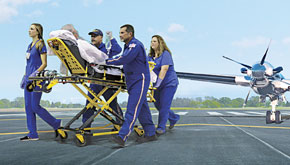
He Flew Over 300 miles to Erlanger Because His Heart Told Him To
Bob Hendrix traveled all the way from Dothan, AL, for robotic by-pass surgery at Erlanger. He’s glad he made the trip.
Watch Bob's Story
Linda Received a World-Class Cure for Silent AFib
Linda was one of the 2.7 million people whose AFib doesn't show up on a typical EKG. Erlanger found and fixed her condition.
Watch Linda's Story
Heart Attack Symptoms Can Be Different for Women - Teresa's Story
Teresa Bailey is grateful the Erlanger Heart and Lung Institute knew this, and more important, knew what to do about it.
Watch Teresa's Story